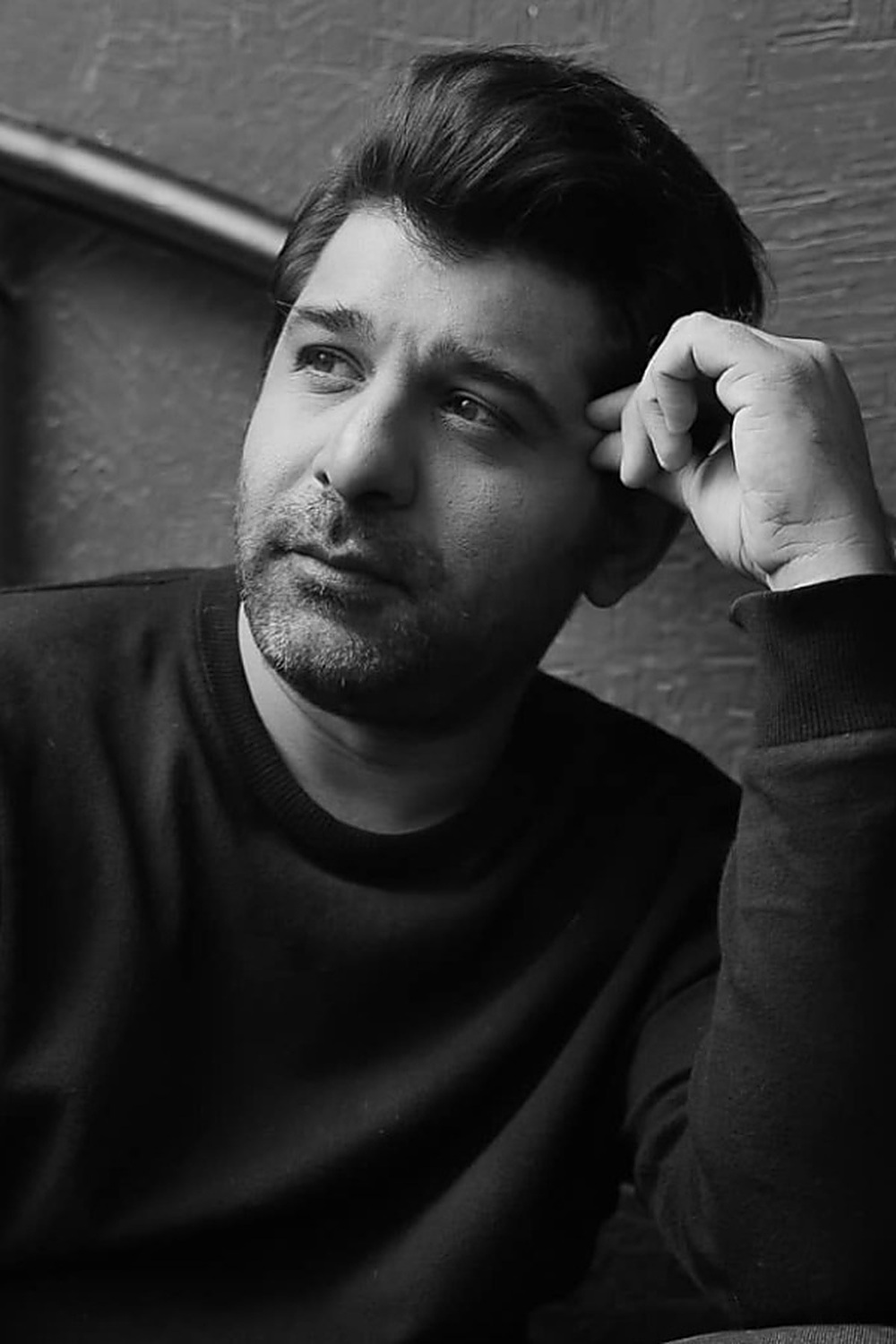
An online school taught by Shuja himself. Live classes each week with a small group, your own song taken apart on camera, and an honest answer about what is not working yet.
In Pakistan, music is learned by proximity — by being in the room while it is made. Most people never get into that room.
Shuja has been in it since 1996, first as the boy who built it and then as the producer everyone came to. The course is that room opened up: the same decisions, the same arguments about an arrangement, the same honesty about what is not finished.
By the end of a term you will
Finish a song instead of collecting fragments
Arrange a track that sounds like a record, not a demo
Write to a brief — film, drama, brand or your own release
Record vocals that keep their emotion under a microphone
Understand what you own and what you are owed
The curriculum
Six parts, one record.
The course follows a single song from the first idea to a finished master you own and can release. Take the whole thing, or only the parts that fix what you are stuck on.
01
The Idea Before the Sound
Where a song actually starts — and how to tell a real idea from a nice one.
Finding the hook that survives every arrangement
Writing melody against Urdu and Punjabi phrasing
Building a demo in under an hour
Knowing when to throw it away
02
Composition & Melody
Eastern classical foundations meeting Western structure — the fusion his whole catalogue is built on.
Raag-informed melody for contemporary songs
Chord movement under a traditional line
Writing for a specific voice, not a general one
Case study: Aaqa, from first idea to final take
03
Lyrics & Storytelling
Twenty-five years of writing in Urdu, Punjabi and English, and the discipline behind it.
Metre, rhyme and how to break both on purpose
Writing to a drama's emotional arc
The difference between a line and a hook
Case study: writing Shad Rahay Pakistan
04
Production & Arrangement
The room, the signal chain, and the decisions that make a record sound finished.
Arranging for live players and programmed parts together
Building a track that survives phone speakers
Vocal production and comping
Mixing decisions you make while writing, not after
05
Vocal Craft
Delivery, control and the honesty that separates a singer from a performer.
Breath, placement and stamina
Singing a lyric rather than a melody
Recording a take that keeps its nerves
Live performance and monitoring
06
The Career
How the industry actually works, from someone who has been inside it since 1996.
Publishing, royalties and keeping your rights
Pitching to film, television and brands
Building a release around a platform
Running your own label
Live & recorded
Live, and on your own time.
Every live class is recorded and in your library within a day, so a missed week is never a lost one.
Scholarships are held back each term for students who cannot pay. Say so in your application — it will not count against you.
Apply
Tell him what you’re working on.
Every application is read. We will confirm your place, answer your questions, and send payment details before classes start.
Questions
Before you apply.
Do I need to read music?
No. Shuja teaches the way he works — by ear, by feel, and by structure. If you can hum an idea and hold a thought, you can follow the course.
What equipment do I need?
A laptop, headphones and any DAW you already use. For the production modules a basic audio interface and one microphone will cover everything. Nothing here depends on an expensive studio.
Are the live sessions recorded?
Yes. Every live session is recorded and added to your library within 24 hours, so a missed week is never a lost week.
What language is it taught in?
Urdu and English, mixed the way most Pakistani studios actually run. Recorded sessions carry English subtitles.
Is this for singers or producers?
Both. The first three modules are for anyone writing songs; the production and vocal modules go deep in their own directions. Most students take all six.
How do I pay?
Enrolment opens with the next cohort. Register your interest and the team will send payment details, including local bank transfer and card options, before the term begins.